



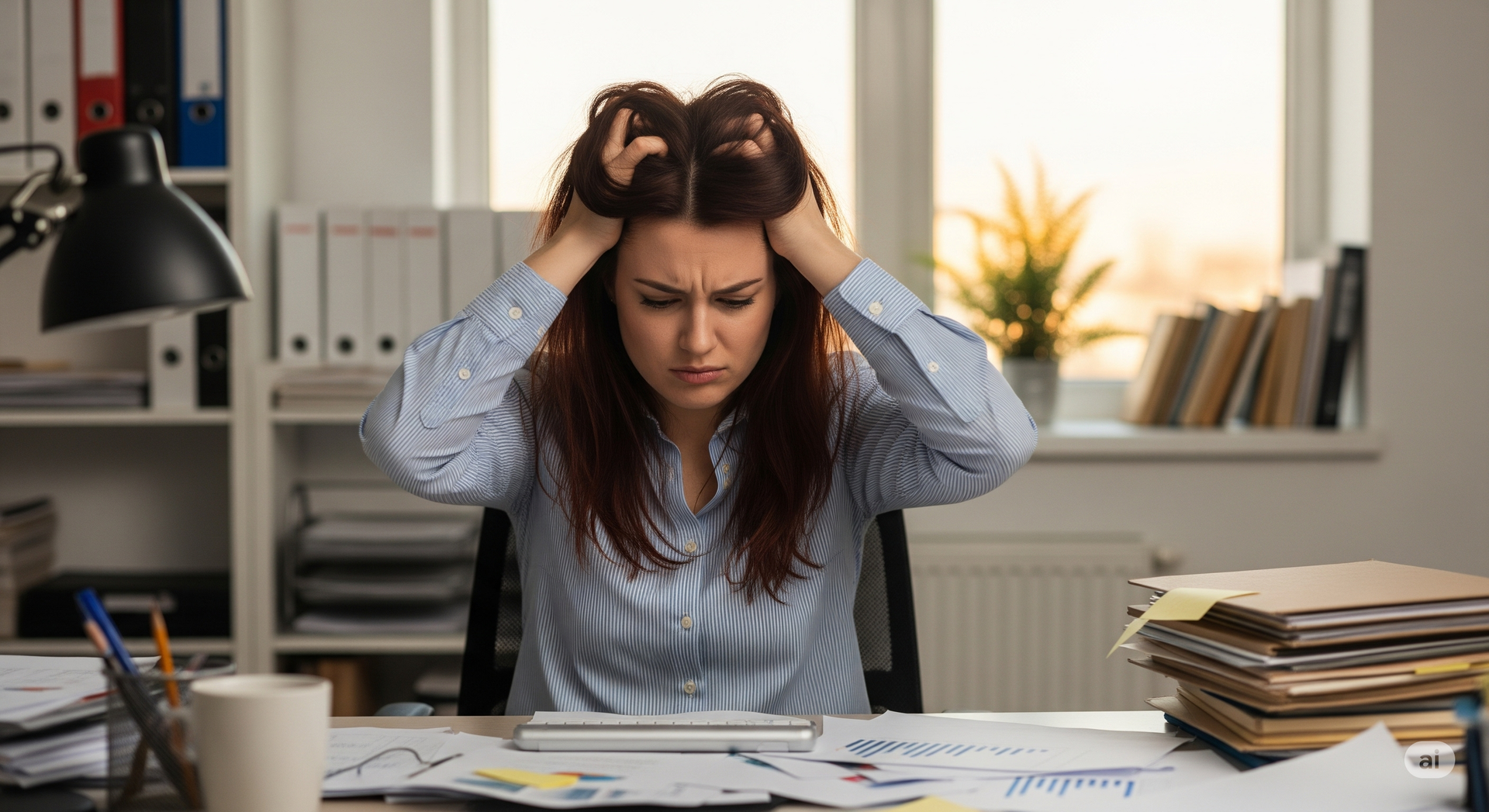
Stress
Stress is a natural physical and mental response to external changes or pressures.
It is the body’s way of preparing to protect itself and cope with the various challenges we face in daily life.
While moderate stress can act as a positive energy source—improving concentration and motivation—excessive or prolonged stress can be harmful.
When stress exceeds an individual's ability to cope, it can lead to physical and mental health issues, potentially developing into more serious illnesses.
💡 Etiology
External factors (Environmental factors)
- Social & Relational : Conflicts with family, friends, or coworkers, and experiences like bullying or isolation.
- Major Life Events : Significant changes such as bereavement, divorce, job loss, or even marriage and childbirth.
- Academic & Career : Excessive workload, performance pressure, intense competition, and career anxiety.
- Financial Difficulties : Economic instability or ongoing household financial problems.
- Physical Environment : Poor sleep, chronic overwork, and exposure to noise or pollution.
Internal factors (Personal factors)
Lifestyle Habits : Poor sleep, chronic overwork, and unhealthy habits like smoking.
Mindset & Personality : Perfectionism, workaholism, pessimistic thinking, or the inability to say "no."
Self-Expectations : Excessive self-deprecation or unrealistic goals that cause constant pressure.
Mental Well-being : Persistent insomnia, anxiety, or feelings of depression.