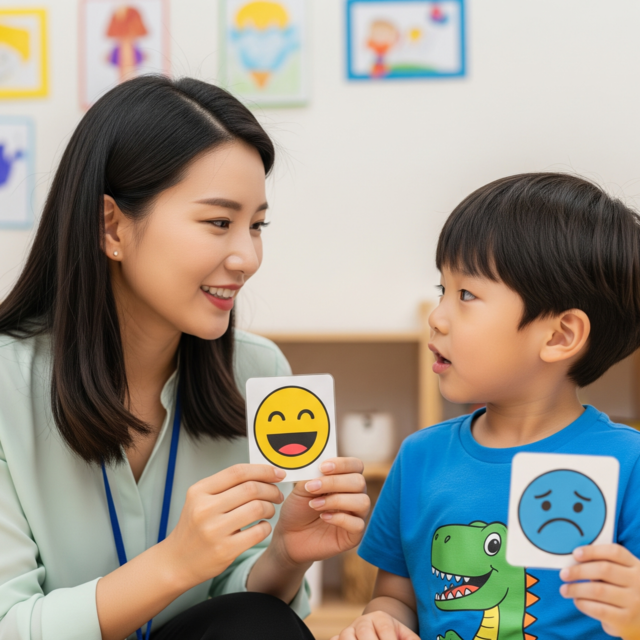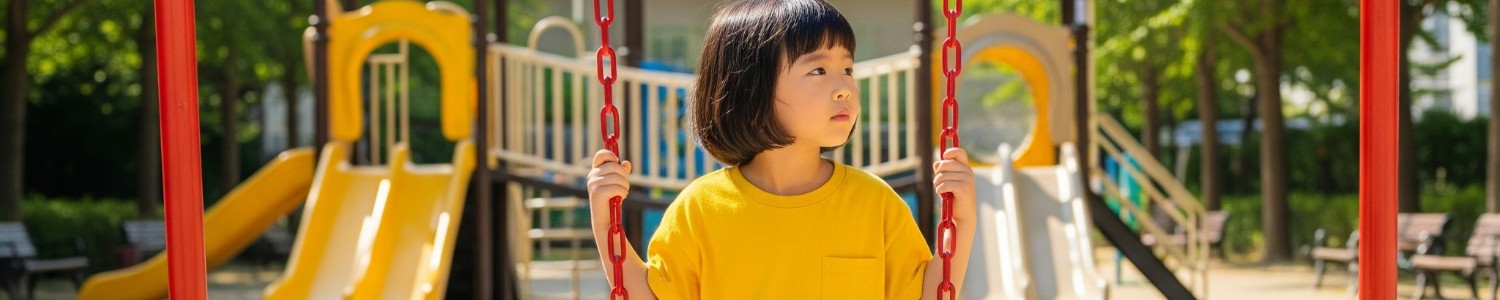
Social anxiety is a condition where an individual experiences significant distress during social interactions. It often manifests as a struggle to form, maintain, or communicate within relationships.
It is important to note that social anxiety is different from simply being introverted; it involves persistent feelings of anxiety, discomfort, or intense difficulty when navigating social situations.
💡 Etiology
| Upbringing & Environment | Early experiences, such as unstable attachment, overprotective parenting, or family conflict, can affect social growth. Negative peer experiences like bullying also play a significant role |
| Psychological Factors | Underlying conditions such as low self-esteem, anxiety, depression, or past trauma can create difficulties in social settings. |
| Biological Factors | Genetics and unique differences in brain function may influence how a child naturally develops social skills. |
| Modern Lifestyle | Excessive screen time and digital device use can reduce face-to-face interactions, leading to a decline in practical social abilities. |
| Lack of Social Experience | Children with fewer opportunities to play with peers—due to being an only child or having busy after-school schedules—may struggle to learn basic problem-solving skills. |
| Developmental Factors | Conditions like Autism Spectrum Disorder (ASD) or ADHD often come with social challenges. Differences in intellectual development can also impact how children relate to their peers. |
💡 Major Symptoms

▶ Social avoidance and isolation
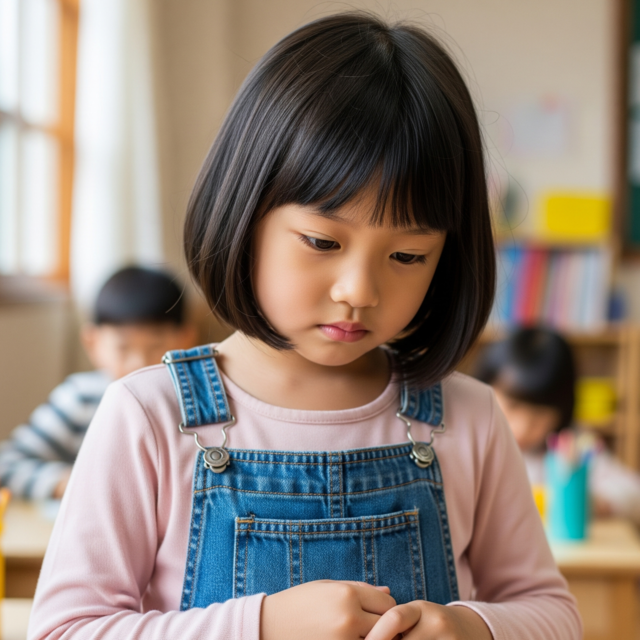
▶ Difficulty communicating
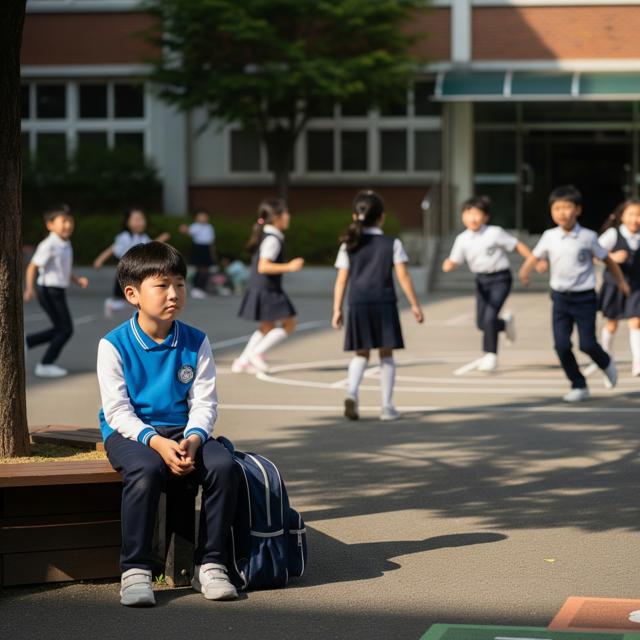
▶ Difficulty empathizing and forming relationships

▶ Behavioral and emotional characteristics
💡 Ways to Improve Social Skills